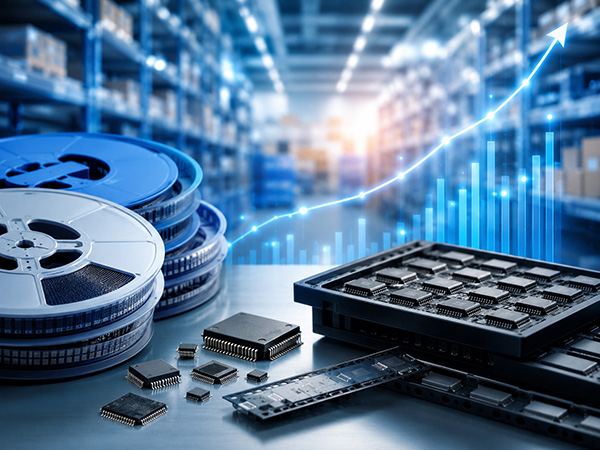
Discontinued Electronic Components: How Companies Can Recover Remaining Value
Article Contents
Electronic components may be discontinued because of technology upgrades, manufacturing changes, product consolidation, or shifting market demand. When a manufacturer issues an end-of-life notice, companies holding remaining stock must decide whether to consume, store, transfer, resell, or dispose of the affected materials.
A structured strategy can help businesses recover value from discontinued electronic components while reducing storage and financial risk.
Why Components Become Discontinued
Technology and Product Upgrades
Semiconductor and electronic component manufacturers regularly introduce products with improved performance, lower power consumption, smaller packages, or better production efficiency. Older series may eventually be removed from active production.
Changes in Manufacturing Processes
A component may be discontinued when a wafer process, packaging line, raw material, or production facility is no longer available or commercially practical.
Low Market Demand
Products with declining order volumes may no longer support continued manufacturing. However, existing industrial, automotive, medical, communication, and consumer systems may still require replacement parts.
- End-of-life product announcements
- Package or process changes
- Manufacturer mergers and product consolidation
- Reduced customer demand
- Regulatory or material compliance changes
How Discontinued Inventory Should Be Evaluated
Not every obsolete or discontinued component has the same market potential. Some parts retain demand for many years, while others lose commercial value quickly.
| Evaluation Factor | Why It Matters | Recommended Evidence |
|---|---|---|
| Exact Part Number | Different suffixes may represent different packages, temperatures, or specifications. | Original label and inventory list |
| Manufacturer | Brand recognition and lifecycle status affect demand. | Manufacturer name and logo on packaging |
| Date Code | Some buyers have project-specific date code requirements. | Reel, tray, tube, or box label |
| Storage Condition | Moisture, oxidation, and packaging damage may affect usability. | Warehouse records and photos |
| Traceability | Documentation improves confidence and market acceptance. | Purchase records, labels, and packing information |
Demand May Still Exist in Legacy Applications
Factories operating older equipment may need exact replacement components to avoid costly redesigns. This creates opportunities for properly stored and traceable discontinued materials.
Timing Is Critical
The best time to evaluate discontinued inventory is usually soon after an end-of-life notice or internal project cancellation. Waiting too long may reduce the number of potential buyers.
Options for Handling Obsolete Electronic Parts
Internal Consumption
Companies should first determine whether the component can be used in another active project, maintenance program, repair service, or business unit.
Inventory Transfer or Resale
Materials with external demand can be evaluated for transfer, consignment, direct sale, or professional inventory buyback.
Responsible Disposal
Components that are damaged, untraceable, contaminated, or commercially unusable should be separated and handled through appropriate recycling or disposal channels.
- Do not mix usable and damaged inventory.
- Keep original packaging whenever possible.
- Avoid removing manufacturer labels.
- Record storage conditions and handling history.
- Prepare clear photos before requesting an evaluation.
Recovering Value Through Professional Inventory Buyback
A specialized inventory partner can review large stock lists, identify marketable items, coordinate inspection, and simplify the purchasing process. This is especially valuable when a company holds many discontinued part numbers from different brands.
TRESEEN TECHNOLOGY LIMITED helps manufacturers, brand owners, agents, distributors, ODMs, EMS providers, and other electronics industry customers manage discontinued materials and excess stock.
Our Inventory Support Focus
- Electronic component inventory evaluation
- Excess and idle stock buyback
- Discontinued material handling
- Supply chain resource matching
- Logistics and transaction coordination
- Inventory value recovery
Turn Lifecycle Changes into a Manageable Process
Discontinued inventory does not always need to become a total loss. With accurate information, proper storage, and timely market evaluation, companies may recover value while reducing warehouse pressure and financial exposure.